Picture this. Your phone rings and it’s your mum’s voice. She sounds panicked. Says she’s been in an accident, needs money urgently, can’t talk for long. Your stomach drops and you’re already reaching for your banking app before the call even ends.
Except it wasn’t your mum. It was an AI.
I know that sounds like something out of a Netflix thriller. But this is happening to real Australians right now, and it’s happening a lot. According to Swinburne University of Technology, AI voice cloning contributed to $25.8 million in scam losses here in just the first half of 2025. That’s not a global figure. That’s us. That’s Australia. In six months.
What Is AI Voice Cloning, Exactly?
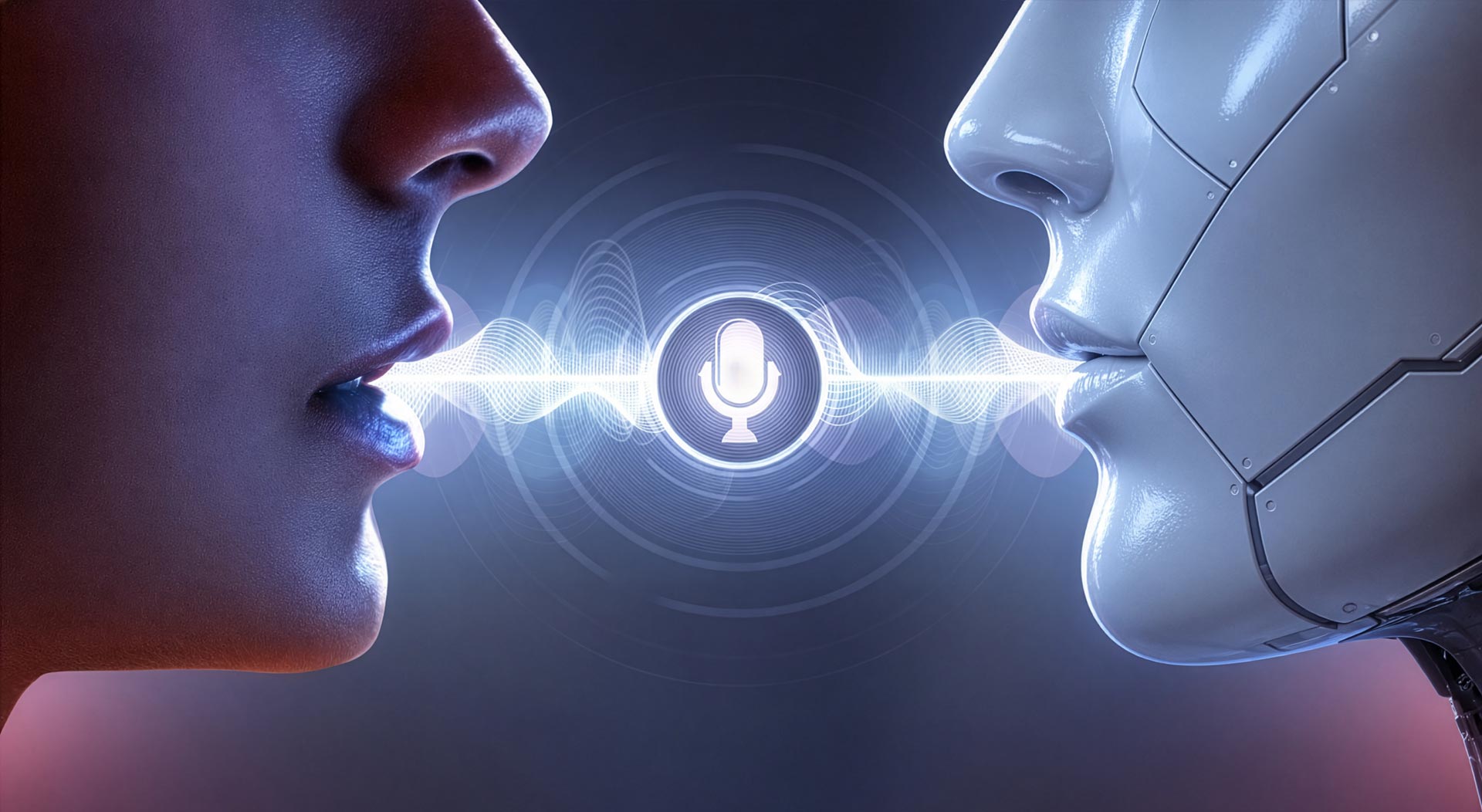
It’s pretty much what it sounds like. Scammers feed a snippet of someone’s voice into an AI tool, and that tool learns to mimic it. The accent, the tone, the way they breathe between sentences. Then the scammer can type anything they want and have it play back in that person’s voice, live on a phone call.
UTS online safety expert Dr Xu Wang says the whole setup costs as little as $10. Ten dollars. Less than a large pizza. And the audio sample they need to pull it off? Research shows as little as three seconds is enough.
Three seconds is shorter than it took you to read that sentence.
That sample could come from anywhere. A voicemail. A video someone posted on Facebook. A voice note in a family group chat. If your loved one has ever spoken on the internet, there’s probably enough material out there to clone them.
How Scammers Are Using It
They’re not just using this for random cold calls. These scams are targeted, emotional, and genuinely hard to see coming.
The “Family Emergency” Call
This is the one that keeps me up at night, honestly. A scammer clones the voice of your kid, your parent, your sibling, and calls you in a panic. There’s been an accident. There’s a legal situation. They need money moved right now and they can’t explain everything over the phone.
It’s happened to parents all over the world. They heard their child’s voice. They heard the fear in it. And they acted before their brain had a chance to catch up, which is exactly what the scammer was counting on. These aren’t stupid people who should have known better. They’re parents who love their kids. That’s all it takes.
The Boss or CEO Call
Businesses are copping it too. Scammers are cloning executive voices and calling employees with urgent instructions. Transfer funds to this account. Share your login credentials. Don’t run it through the usual process, we need this done now.
When the voice sounds like your actual manager, most people don’t question it. The authority is built in. And by the time the real manager shows up wondering what happened, the damage is done.
Fake Government and Authority Calls
ATO debt. Medicare irregularities. Police investigation. Scammers love anything that triggers anxiety fast, and cloning an authoritative-sounding voice makes these scenarios way more convincing than a robotic pre-recorded message. If your gut tightens the moment someone official-sounding starts talking, you’re already halfway to compliance. That’s what they’re banking on.
Why It’s So Hard to Detect
This is the part that genuinely unsettles me. Around 70% of people cannot tell a cloned voice from a real one. Not because they’re not paying attention. Because the technology is that good.
We’re not talking about the slightly-off robot voices of five years ago. Modern voice cloning replicates breathing patterns, emotional inflection, regional accents. It sounds like a person because, technically, it started as one.
And the thing is, voice cloning works differently to other scams because it bypasses your scepticism before you even know you need it. You’re not reading a dodgy email and thinking “hmm, that doesn’t sound right.” You’re hearing someone you love sound terrified, and every instinct you have is telling you to help them.
That’s not a flaw. That’s just being human. Scammers know it, and they design the whole thing around it.
How to Spot One
You won’t always be able to spot it in the moment. But these signs should make you pause.
- The urgency feels weaponised. Any call that opens with “you need to act right now” and doesn’t give you space to think is a red flag. Real crises can survive a two-minute verification call.
- The story has gaps. Scammers clone voices but they don’t clone memories. Ask something personal, something specific. What did we have for dinner at Christmas? What’s the neighbour’s dog called? If they hesitate or deflect, that tells you everything.
- They’re asking for an unusual payment method. Gift cards, crypto, direct bank transfers to an unfamiliar account. No legitimate emergency works this way. Ever.
- The audio feels slightly off. It might be hard to put your finger on, but trust that feeling. Odd pauses, a quality that sounds slightly processed, reactions that don’t quite land at the right moment. Your gut is picking up on something.
- The number looks familiar but something feels wrong. Caller ID spoofing is easy and common. A number that looks right isn’t proof that the caller is who they say they are.
What to Actually Do About It
- Set up a family safe word tonight. Seriously, do it tonight. Experts are urging Australians to agree on a word that only your real family members know, one you can ask for on any suspicious call. If the person on the line can’t say it, you hang up. Simple, free, and genuinely effective.
- Hang up and call back. If something feels off, end the call. Then ring the person on a number you already have saved. If it was really them, they’ll answer and you’ll know immediately. Takes thirty seconds.
- Treat urgency as a warning signal, not a reason to rush. The pressure to act fast is the mechanism. Recognising it breaks the spell.
- Think about what you post online. More than 53% of people share voice recordings online at least once a week. Voice notes, reels, videos. The more audio of you that’s out there, the easier you are to clone. Worth thinking about, especially for kids.
- Report it to Scamwatch if it happens. Even if you didn’t lose money. Reports help the ACCC track patterns and warn others before the next wave hits.
The Bottom Line
What makes voice cloning scams so confronting is that they don’t exploit stupidity. They exploit love. And trust. And the completely normal human instinct to help the people you care about when they sound scared.
You’re not going to outsmart that instinct in the heat of the moment, and you shouldn’t have to. What you can do is build a simple system in advance: a safe word, a habit of hanging up and calling back, and a healthy suspicion of any call that’s trying to rush you somewhere.
Set the safe word up today. Tell your family. It’s the kind of five-minute conversation that could genuinely matter one day.