Every few months, my printer and I go through the same little argument. It flashes a low ink warning, I go online to check what replacements cost, I have a quiet meltdown, and then I start googling whether it’d be cheaper to just buy an entirely new printer and start over. I know I’m not the only one who has been down this particular rabbit hole at 11pm on a Sunday when I need to print something for work the next morning.
It sounds ridiculous. But here’s the thing: sometimes it actually is cheaper to buy a new printer. And sometimes the reason you’re running out of ink so fast in the first place is something that happened the moment you opened the box.
Let me explain.
Do New Printers Actually Come With Full Ink Cartridges?
What are starter cartridges, and do all new printers come with them?
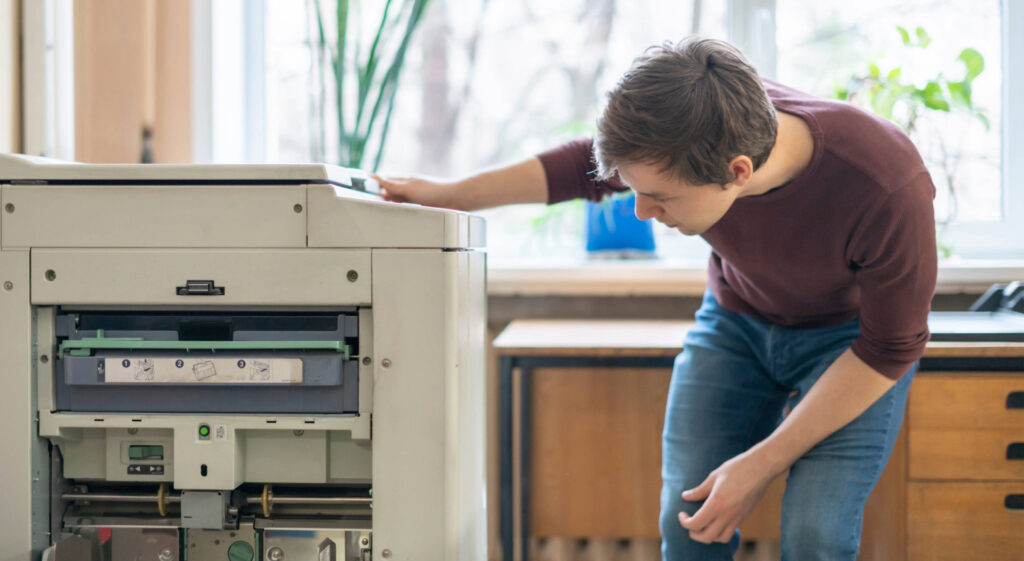
Yes, and this is the thing that catches a lot of people off guard. Most new printers from the major brands, including HP, Canon, Epson, and Brother, come with what are called starter cartridges, also known as setup cartridges or initial cartridges. They’re not full cartridges. They’re a smaller amount of ink designed to get the printer up and running and calibrate the ink levels on first use.
Some are not even close to full. In some cases, the cartridge that comes in the box contains less than a quarter of the ink you’d get in a standard replacement. Brother, for example, states openly that their starter cartridges contain approximately 65% of the yield of their standard replacements, and that’s one of the more generous versions. Other brands are vaguer about it, which is its own kind of answer really.
Part of the reason the cartridges are smaller is also mechanical. When you set up a new printer, some of that ink gets used immediately to prime and fill the ink delivery tubes in the machine. It’s a one-time process, but it eats into your ink before you’ve printed a single page.
So why do printer companies do this?
Bluntly: because printers are sold cheap and ink is where they make their money. It’s one of those business models that’s been hiding in plain sight for decades. The hardware gets subsidised so you’ll commit to a specific cartridge ecosystem for the life of the machine. A bit like a Keurig selling you the machine and then getting you on the pods for the next five years. Very Thanos energy, if Thanos had decided the real infinity stones were proprietary consumables.
A Commonwealth Bank study found that Australians receive an average of 250 scam attempts per year, but I’d argue a close second in terms of things quietly depleting our bank accounts is the humble printer ink cartridge.
Is It Actually Cheaper to Buy a New Printer Instead of New Ink?
When does buying a new printer make more financial sense?
It depends entirely on what printer you have, how much the replacement cartridges cost, and how many pages those cartridges will actually get you. The number to focus on is the cost per page, which you can calculate yourself by dividing the price of a replacement cartridge by the number of pages it’s rated to print.
For a standard inkjet printer running name-brand cartridges, that cost can be anywhere from seven to eight cents per black page. For a budget printer with cartridges that have a low page yield, you could be spending far more than that without realising it. When you start doing that maths and compare it against the upfront cost of a more efficient machine, the numbers can genuinely surprise you.
Where it most commonly makes sense to switch printers is when you own a very cheap inkjet and you’re running through cartridges at a rate that adds up to more than a new, better printer would cost you over the same period. This is not unusual. Plenty of people spend more on ink in a year than they paid for the printer itself.
When is it better to just replace the ink?
If your printer is relatively new, works well, and the cost per page is reasonable, replacing the ink almost always makes more sense than buying something new. A new printer is still a cost, and if you’re comparing it against one or two cartridge replacements, the maths won’t stack up.
The same applies if your printer is a higher-end model with a good ink yield. Ditching a quality machine just because you’re frustrated with the ink cost in the moment can cost you more in the long run.
What Are Your Actual Options in Australia?
Should I buy genuine cartridges or compatible ones?
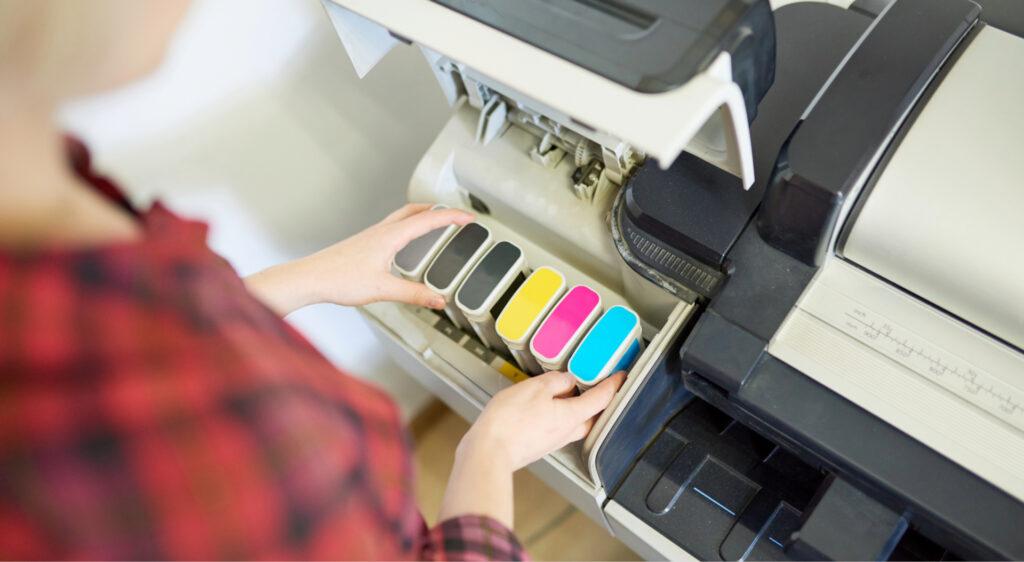
Genuine cartridges from the manufacturer are the safe choice but often the most expensive. Compatible cartridges, sometimes called generics or third-party, can be significantly cheaper. Reputable compatible cartridges from trusted Australian suppliers can run anywhere from 30 to 50% cheaper than the original manufacturer’s versions, and for most everyday printing, the quality difference is minimal.
The risk with cheaper compatibles from unknown sources is that they can occasionally cause errors, clog print heads, or produce inconsistent results. Buying from established Australian suppliers rather than random overseas listings generally reduces that risk considerably.
Are there better printer types that solve the ink cost problem altogether?
Two worth knowing about:
Tank printers (like the Epson EcoTank range): These use large refillable ink tanks instead of cartridges. Rather than buying a small cartridge that runs out, you top up the tank with a bottle of ink. Epson’s replacement black ink bottle in Australia starts from around $19.99 and is rated to around 7,500 pages, which works out to less than half a cent per page. The printers themselves cost more upfront, but for people who print regularly, the ongoing savings are significant. They also come with a substantial amount of ink in the box from day one, which is a very different experience to a starter cartridge.
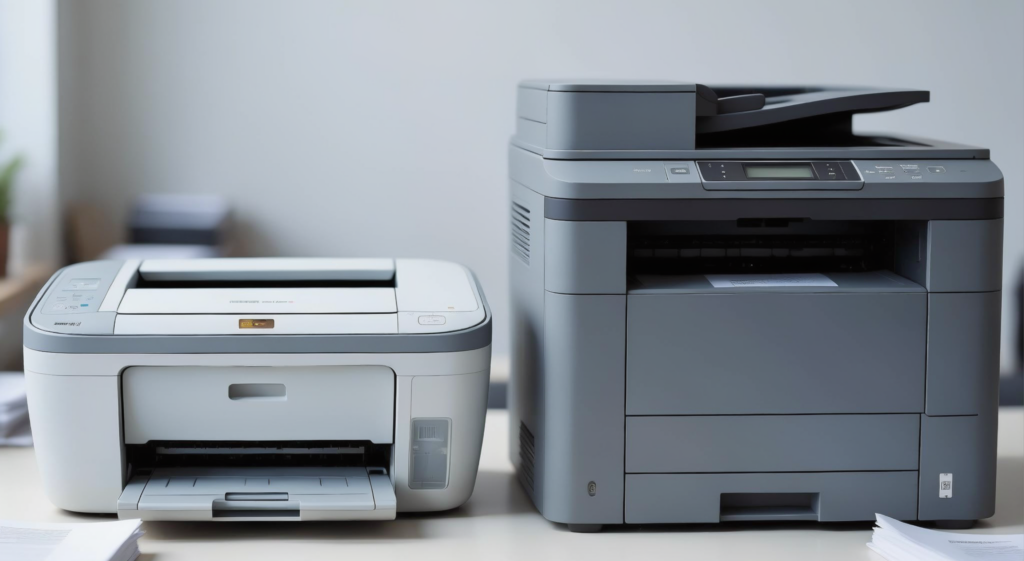
Laser printers: If you mostly print text documents rather than photos or colour graphics, a laser printer is worth serious consideration. The toner cartridges cost more upfront than ink, but the cost per black page is generally around 6 cents with a quality replacement, they last considerably longer per cartridge, and laser printers don’t suffer from dried-out ink, which is a real problem with inkjet machines that sit unused for weeks at a time.
A Few Things Worth Knowing Before You Decide
Does it matter how often I print?
Yes, quite a lot. If you print a handful of pages every few months, a cheap inkjet printer might actually suit you fine, with the trade-off being that your ink cartridges will run out faster per page and your print heads are more likely to clog from sitting idle. In that case, buying a new printer every year or two can actually be cheaper than maintaining an expensive machine on very low volume.
If you print regularly, even just a few hundred pages a month, a tank printer or laser machine will almost certainly save you money over time.
What about the environmental side of things?
It’s worth thinking about. Going through a new printer every year or two creates a lot of e-waste, and most inkjet cartridges end up in landfill unless you actively recycle them. Officeworks has a drop-off recycling program through Cartridges 4 Planet Ark if you want to do the right thing with your empties, which is worth using regardless of what type of printer you have.
Tank printers, for what it’s worth, generate considerably less plastic waste over time given you’re refilling rather than replacing.
So What Should You Actually Do?
If your cartridges have just run out and your printer is otherwise working fine, replace the ink. Try a reputable compatible cartridge if you want to save some money.
If you’re constantly replacing cartridges, the cost per page is high, and the printer is a cheap inkjet you’ve had for a few years anyway, it might genuinely be time to upgrade. Work out your cost per page, look at what a tank printer or laser would cost to run instead, and do the maths properly before committing either way. It takes about ten minutes and can save you a surprising amount over a year.
And next time you’re buying a printer from scratch, do yourself a favour and look past the sticker price. A printer that costs $59 at Officeworks but needs $40 cartridges every six weeks is not the deal it looks like on the shelf.